

Loxford Park Lodge: Sculptural Architecture in a Natural Setting
Loxford Park Lodge is conceived as a playful architectural folly rising above the tree canopies, with soft curved forms that echo the movement of leaves in the wind. The design balances a discreet street-facing presence with a bold park-side identity, framed by a landscape strategy that enhances privacy, biodiversity, and ecological value. Featuring wildflower planting, retained and new trees, and integrated bat and bird boxes, the project prioritises sustainability through recycled materials and low-carbon products, working toward a net zero carbon development while creating a serene, nature-connected living environment.
Loxford Park Lodge
The proposed narrative was to create an architectural piece that brings a sculptural playfulness to Loxford Park while keeping a more discreet approach towards the street side.
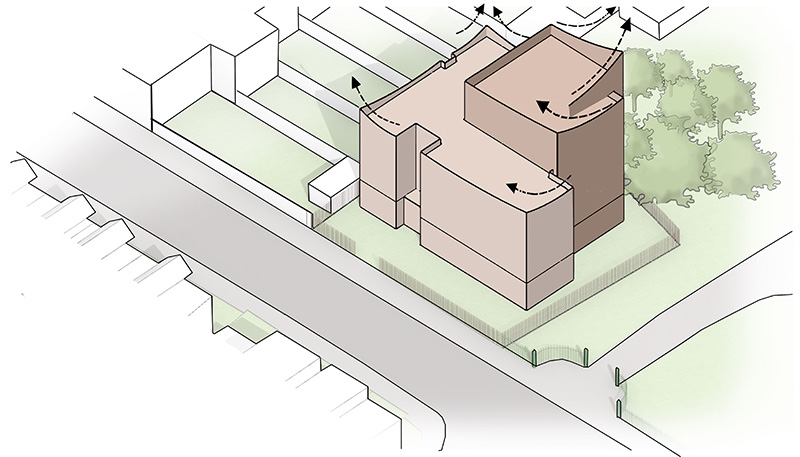
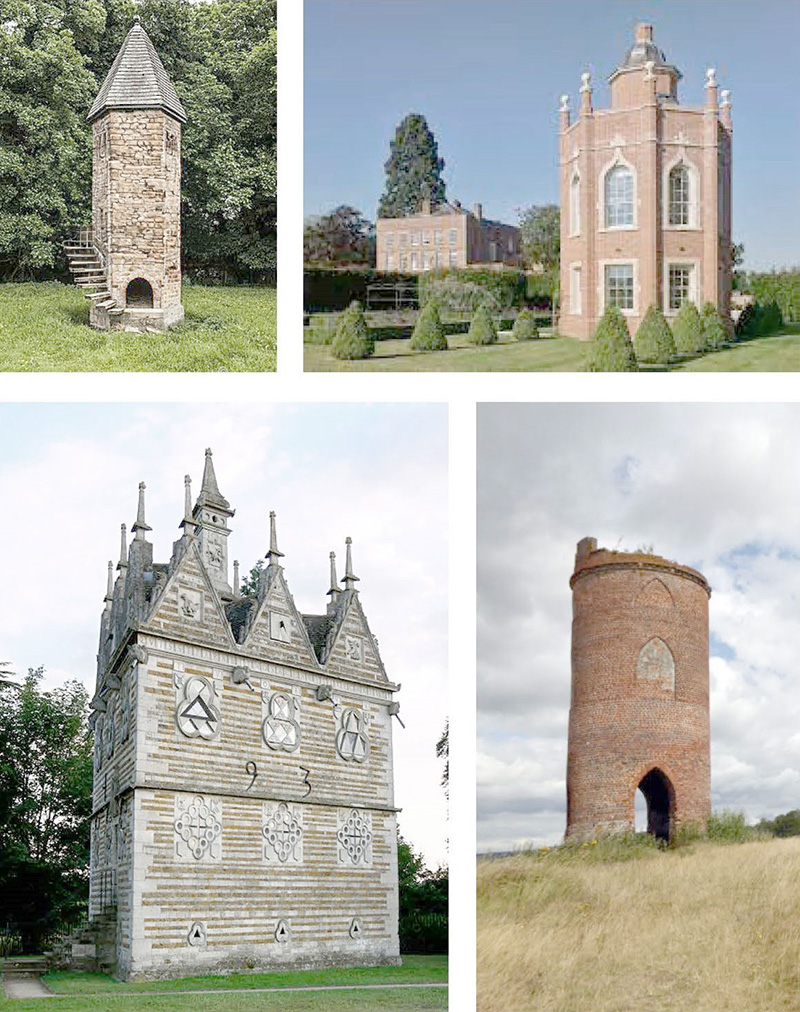
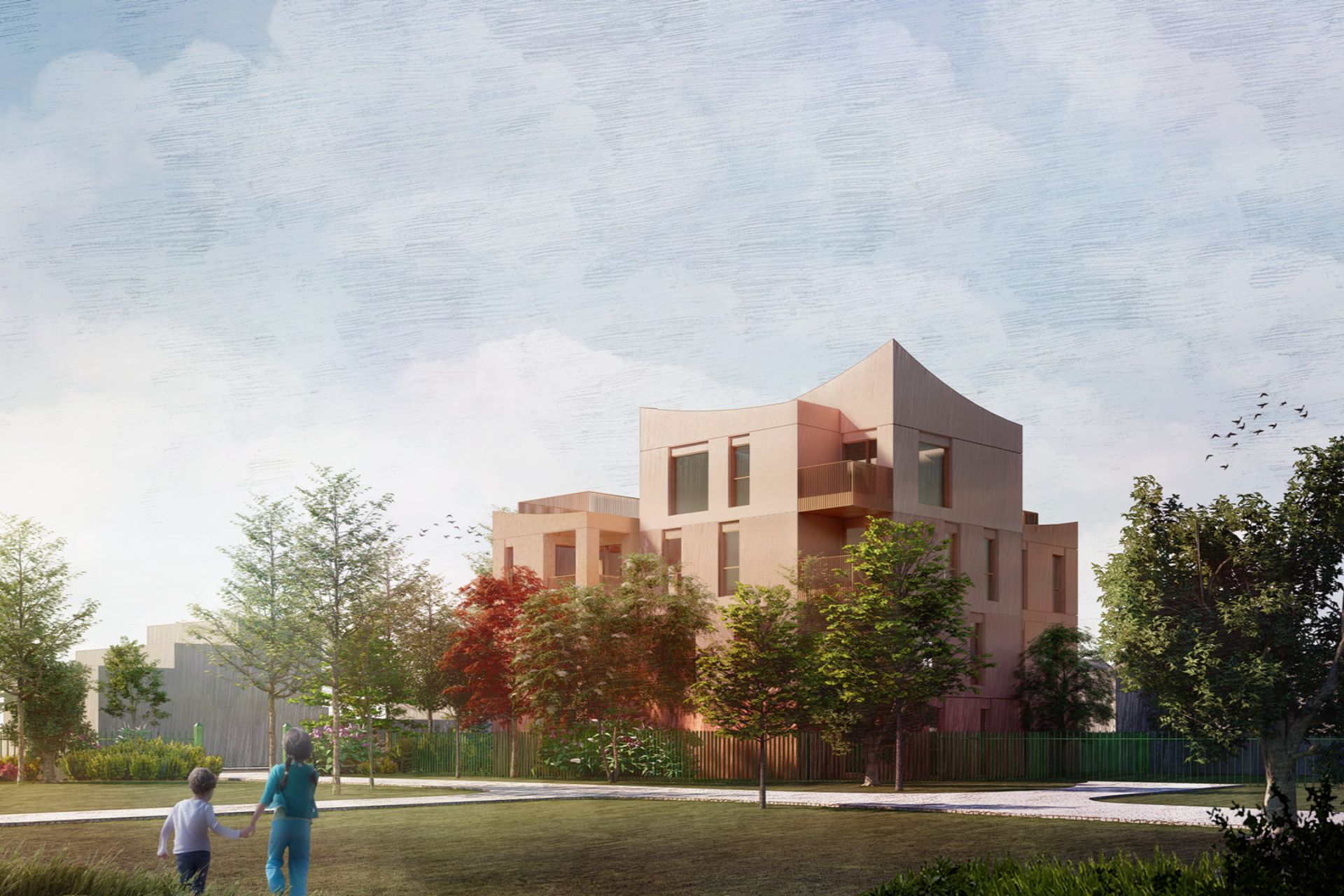
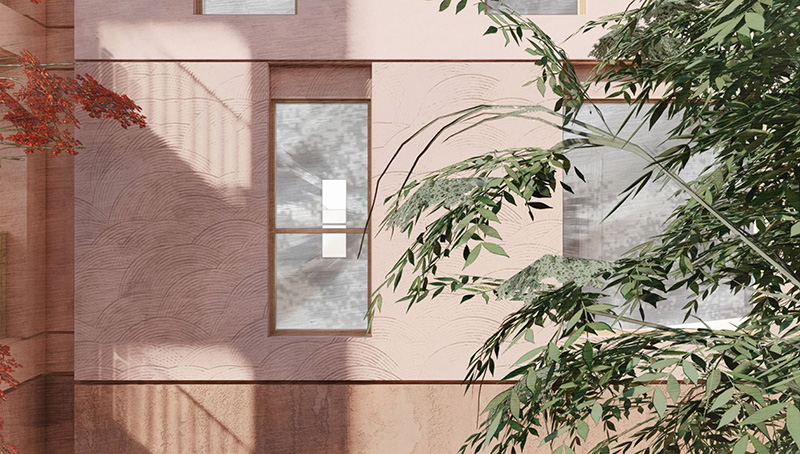
The volume and figurative design rises towards the park as a folly showing above the tree canopies. The building terminations have been accentuated with some soft curves that overlap leaning over the park, as a reinterpretation of the natural movement of the leaves and tree canopies in the wind.
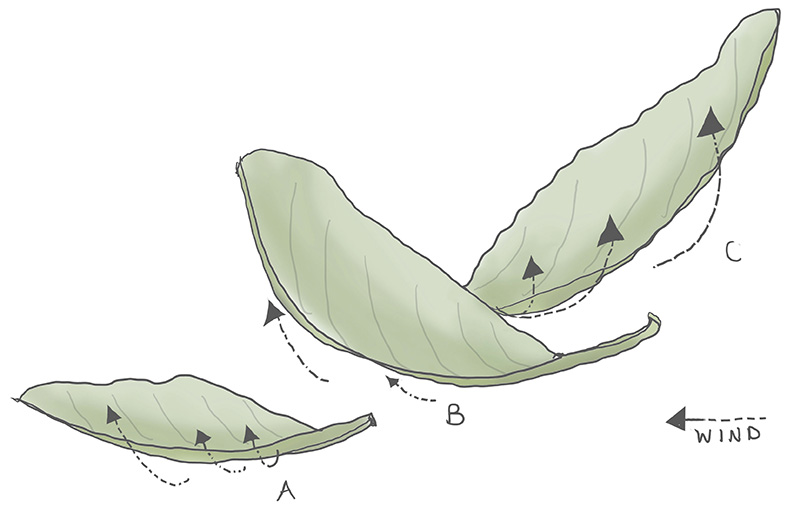
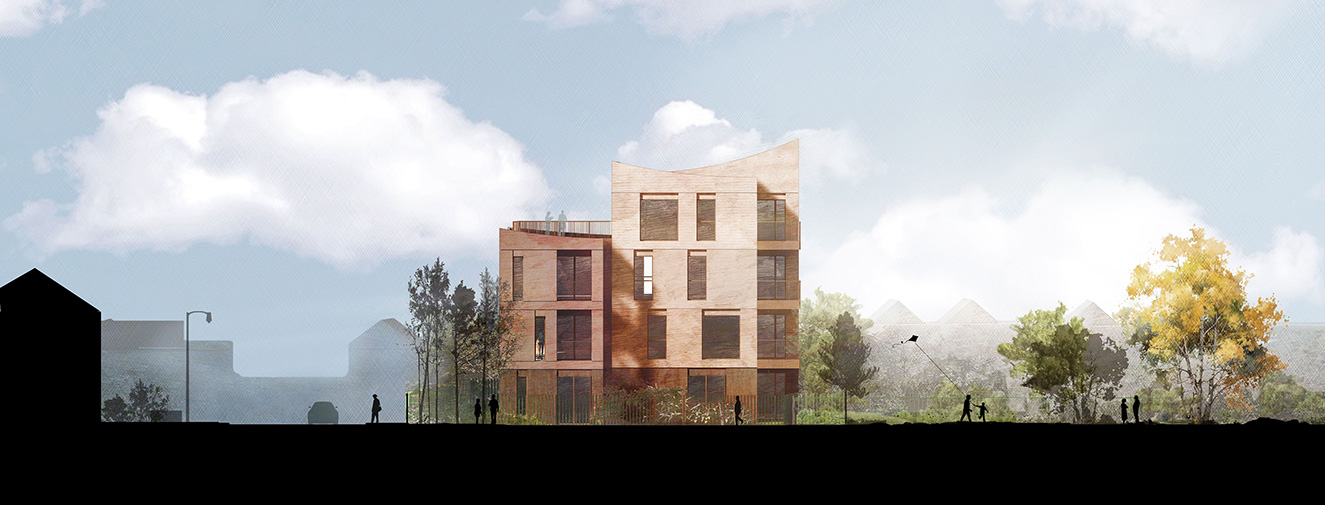
The landscape proposal will blur the boundaries of the site, while adding the privacy required for the residences, framing the sculptural and playful roof termination. The park ecological value has been considered as a key design aspect, as well as a strong sustainable approach.
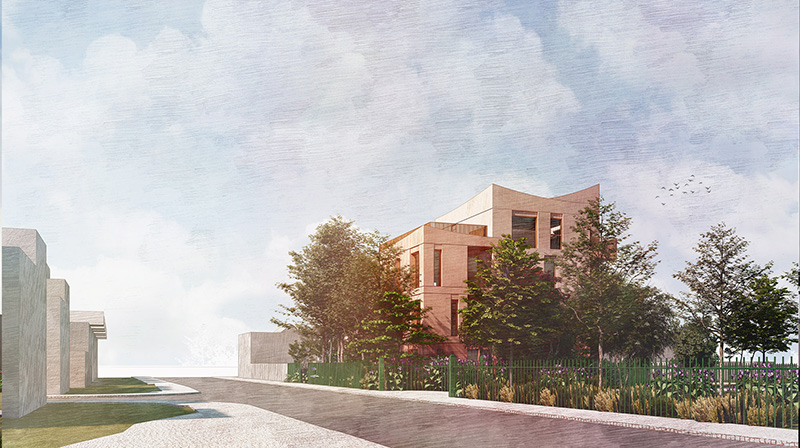
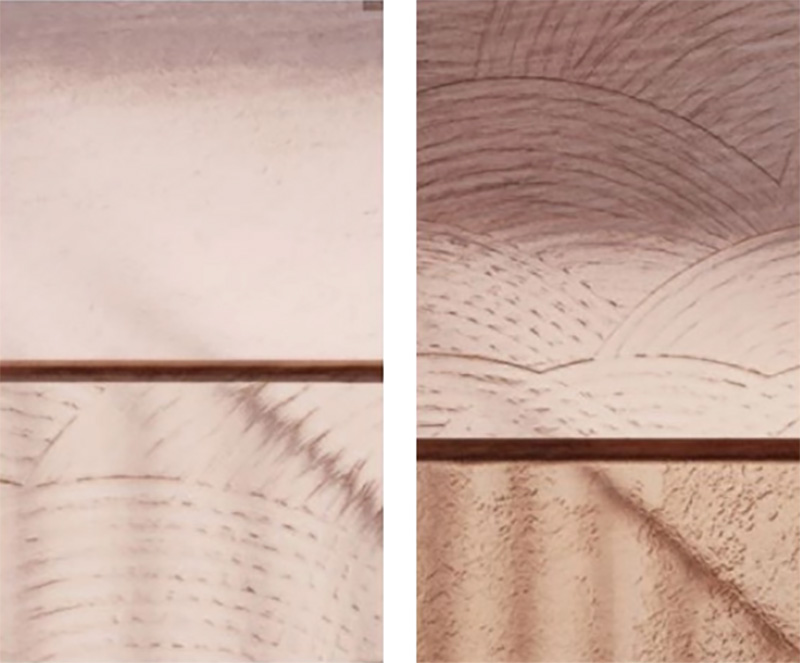
Wild flowers and diverse native planting can be used to enhance terrace spaces, increase biodiversity, provide natural habitats for wildlife and create beautiful spaces for residents to relax.
Retention of existing trees on site and planting of new trees, hedges and climbing plants will aid in the retention of native species and seek to increase biodiversity. The proposed façade will also Integrated bat and bird boxes to provide spaces for nesting.
The use of recycled materials, such as the reuse of the existing brickwork, and low carbon products have been considered to help achieve a net zero carbon development.