

Gas Holders: Transforming Industrial Heritage into a Landmark Residential Quarter
Gas Holders reimagines the world’s largest and most iconic gas holder as the centrepiece of a major regeneration scheme delivering over 1,300 homes, jobs, parks, shops, and offices on a historic gasworks site. The new residential building is designed in direct dialogue with the listed frame, its faceted form and materiality inspired by the structure’s monumental scale and proportions. This visionary project breathes new life into 150 years of industrial heritage, creating a dynamic new neighbourhood that connects the community while setting a benchmark for sensitive adaptive reuse in London.
Gas Holders
Imagine a new apartment building nestled within the colossal confines of the world’s largest and arguably London’s most iconic Gas Holder. This ambitious endeavor, led by a renowned national housebuilder, envisions the repurposing of listed structures into a dynamic residential quarter adjacent to a cricket ground.
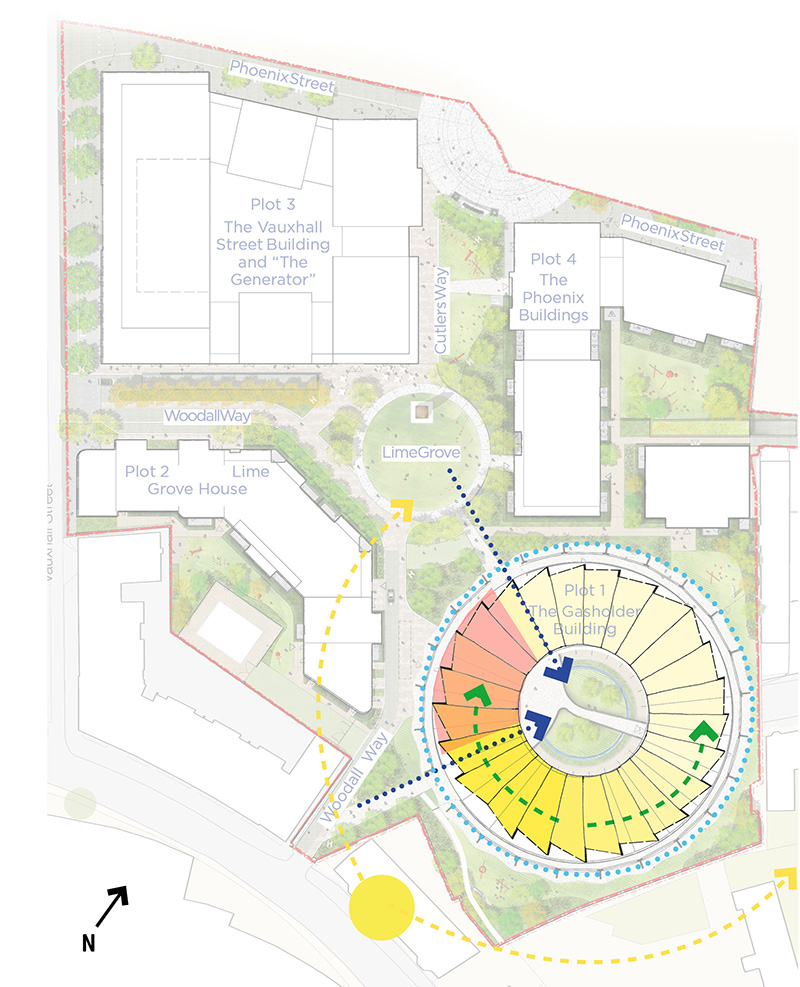
The transformative masterplan unlocks the gas works after over 150 years, establishing new connections for the broader community. This groundbreaking regeneration initiative is set to deliver over 1,300 new homes, accompanied by a plethora of job opportunities, apprenticeships, as well as vibrant additions like shops, restaurants, parks, and offices.
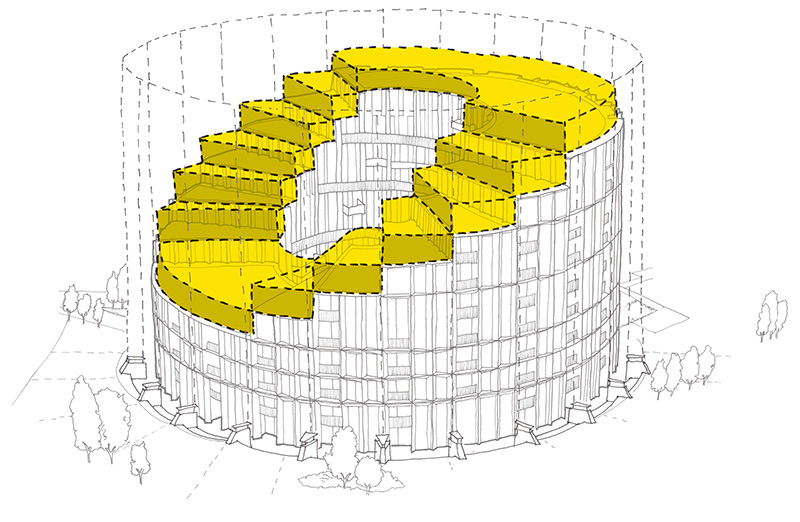
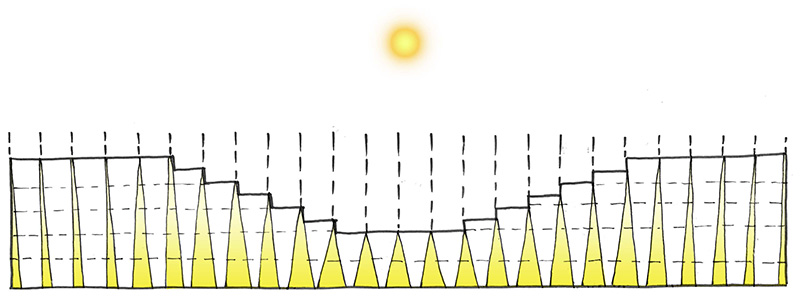
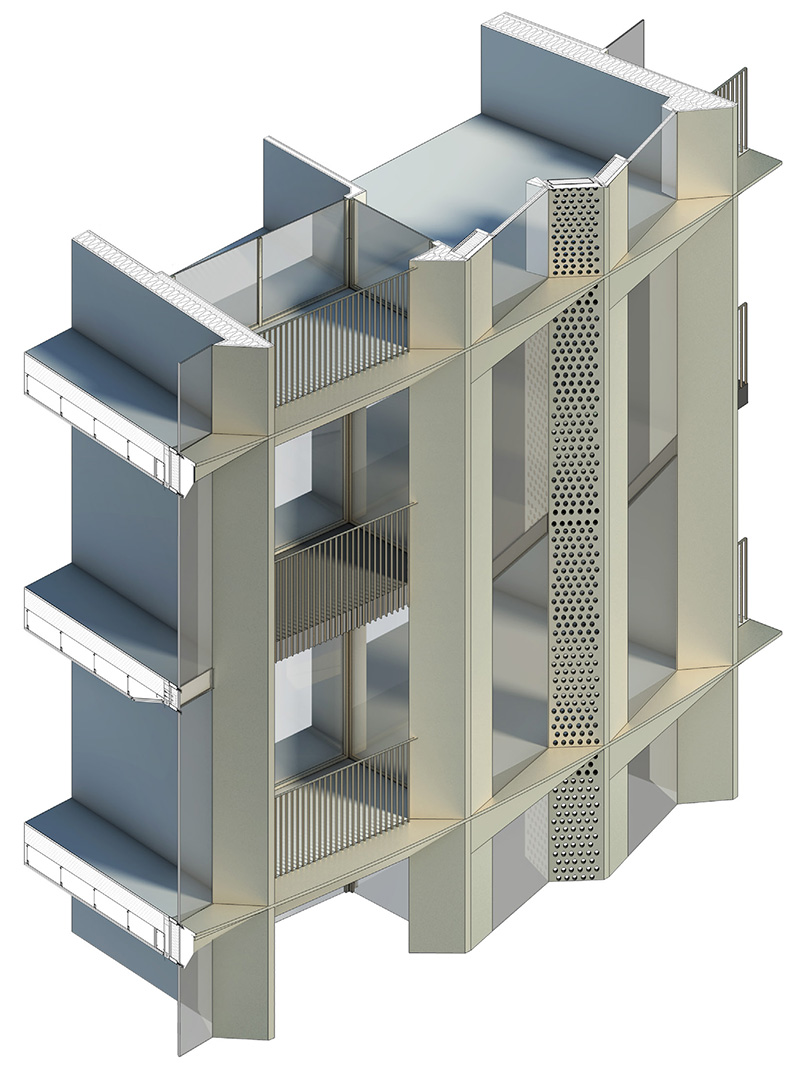
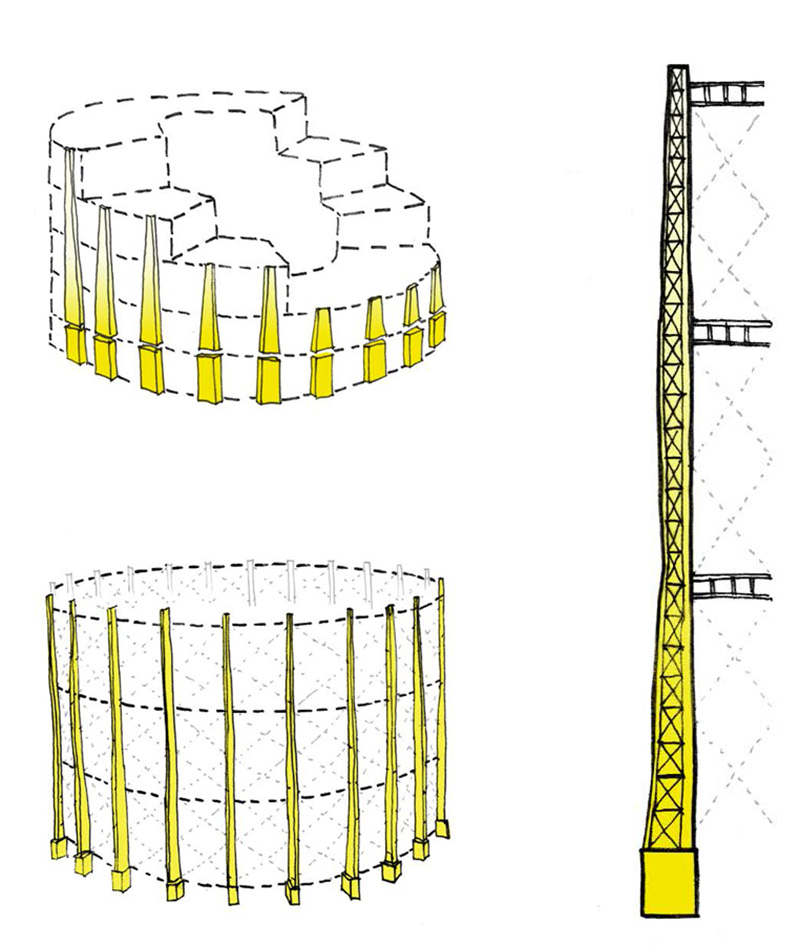
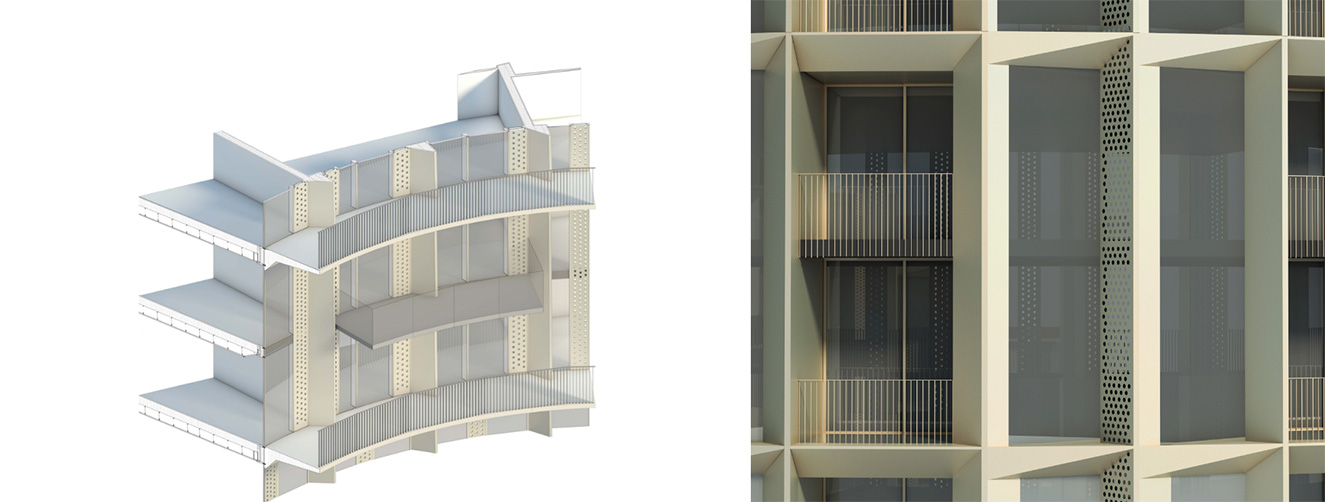
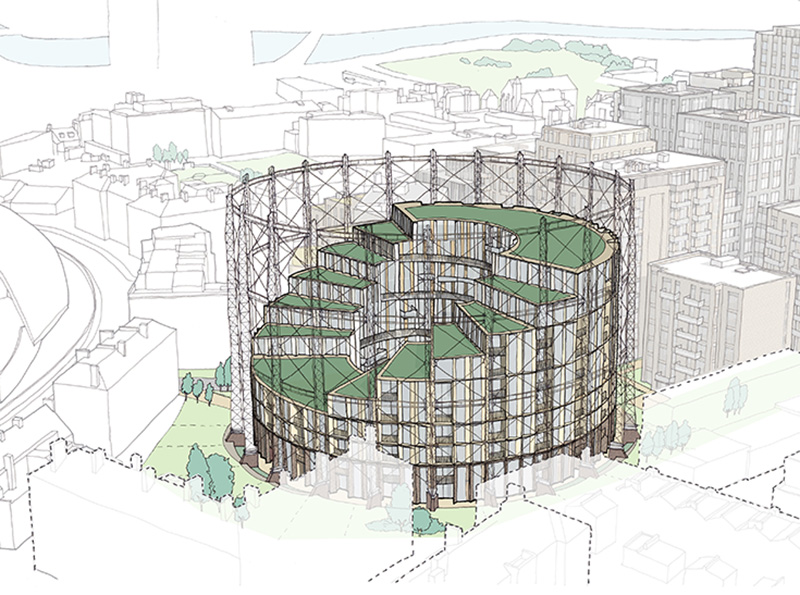
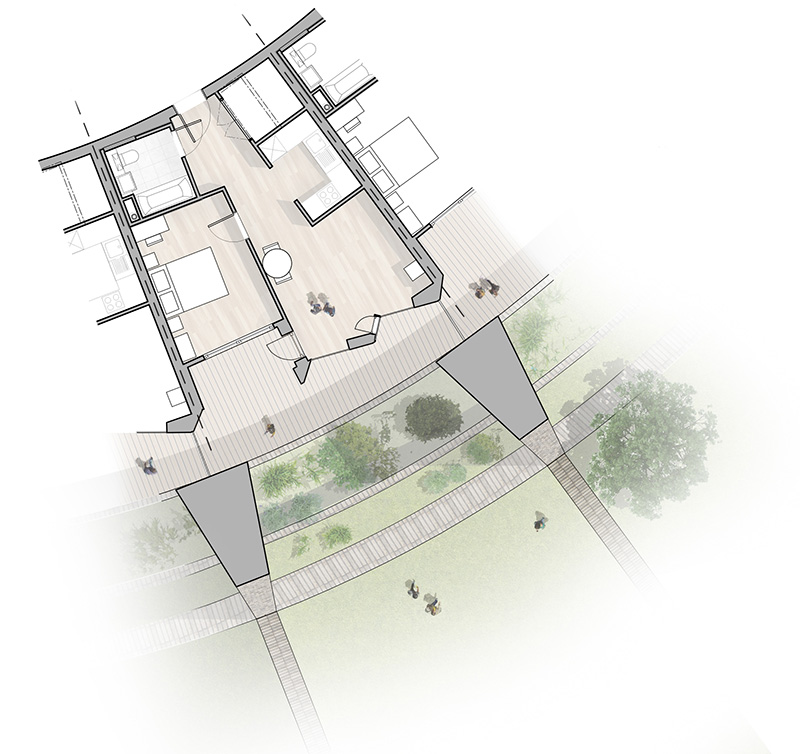
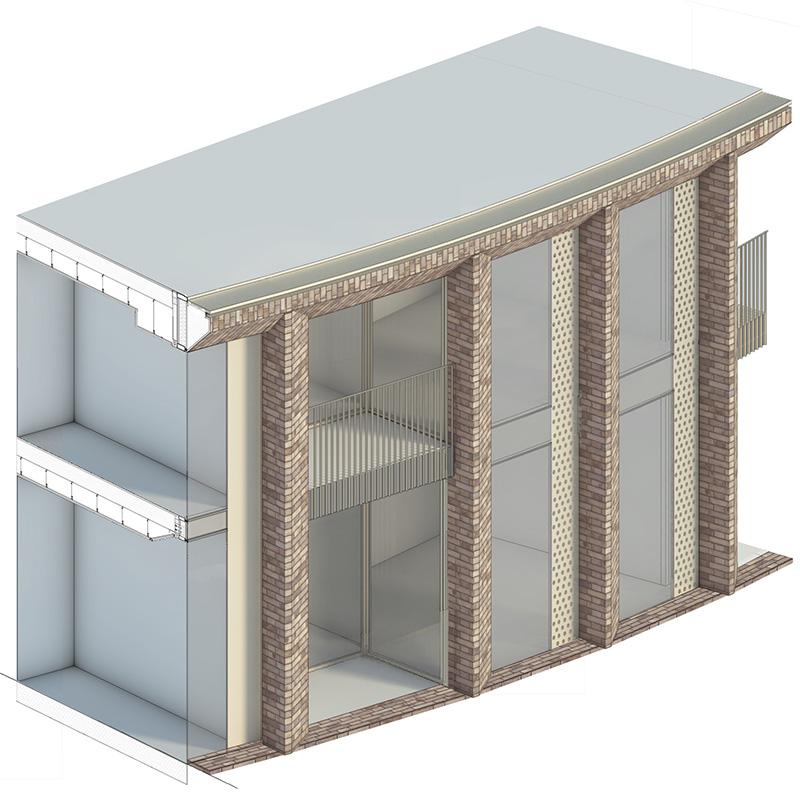
At the heart of this emerging district, the world’s largest gas holder takes center stage, repurposed to cradle a groundbreaking residential building. The design of this innovative addition is inherently tied to the existing gas holder, drawing inspiration from its scale, proportion, and materiality.
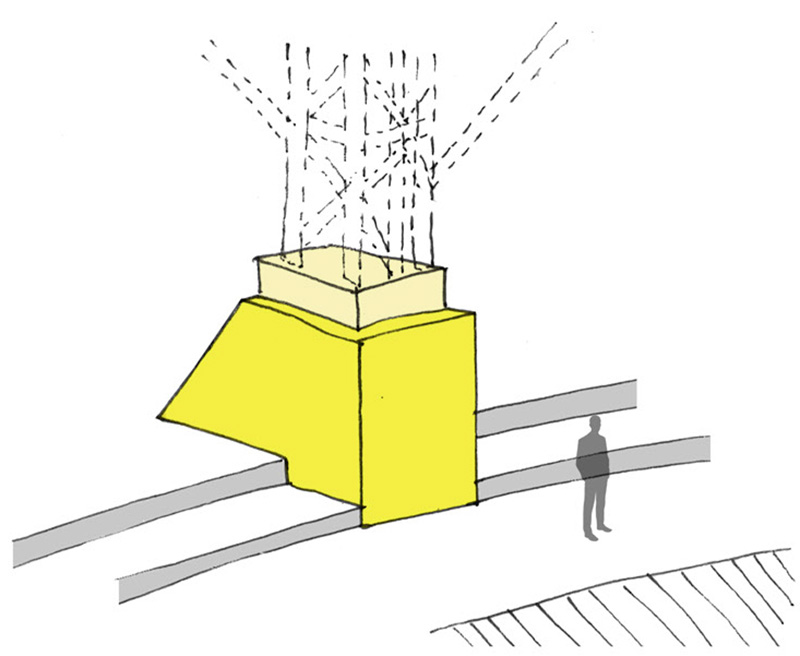
Given the faceted structure of the frame, our proposals embrace this as an architectural approach, shaping the form of the new insertion. By adhering to these guiding principles, a cohesive design language emerges, harmonizing the existing gas holder with our proposals.
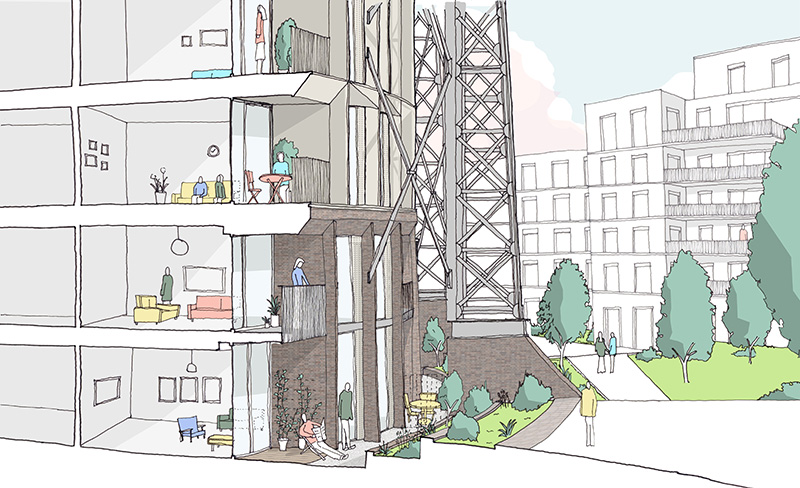
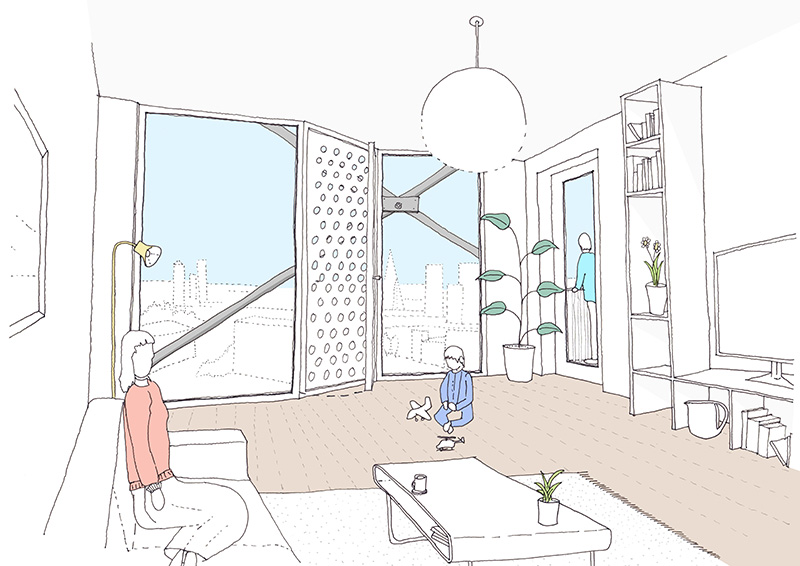
The result is a singular building that not only responds to the human scale and the needs of its users but also stands as a key architectural contribution to the site and its broader surroundings. This visionary retrofit represents more than just a residential development-it signifies a transformative shift, breathing new life into historic structures and creating a space that resonates with both history and the contemporary needs of its inhabitants.